
Interior painting in Seattle is not one kind of job. A 1920s Ballard bungalow with original plaster, a Capitol Hill Tudor with layers of old trim paint, and a new Wallingford townhome with builder-grade drywall all need different prep, different products, and different expectations.
Add months of soft, gray light and the humidity that comes with a Pacific Northwest winter, and the details that make a paint job last start to look local. This guide covers what Seattle homes need inside: how home type changes the work, how to choose colors for our light, which finishes suit damp rooms, and when to schedule.
Why interior painting in Seattle is different
Seattle’s housing stock spans more than a century. Early-1900s Craftsmans and Tudors sit next to mid-century ramblers, condos, and modern infill. The age of a home shapes what sits under the paint: plaster or drywall, original wood trim or paint-grade replacements, one old coat or several decades of layers.
Then there is the climate. Long, overcast stretches mean less natural light indoors for much of the year, and damp air stretches drying and recoat times. A crew that rushes those windows tends to skip the steps that make paint last.
Interior painting by Seattle home type
| Home type | What we often find | What it means for the job |
|---|---|---|
| Early-1900s Craftsman or Tudor (Ballard, Green Lake, Capitol Hill) | Plaster walls with hairline cracks, original wood trim, multiple old paint layers | Plaster repair, careful trim prep, and lead-safe practices if built before 1978 |
| Mid-century homes | Older textures, prior DIY paint jobs, possible lead paint if pre-1978 | Testing or lead-safe work where needed, and priming over old or glossy surfaces |
| Condos and townhomes | Occupied units, shared walls, building rules on hours, elevators, and parking | Scheduling around the building and protecting tight, lived-in spaces |
| Modern infill and newer builds (Wallingford, Ravenna) | Drywall, builder-grade flat paint, nail pops and settling cracks | Patching and an upgrade to a more washable finish in busy rooms |
Every home is assessed in person, but knowing your home type helps you ask the right questions when you compare estimates.
Older Seattle homes: plaster, trim, and lead-safe work
Plaster walls. Plaster is durable, but it cracks as houses settle and it does not patch like drywall. Proper repair means stabilizing cracks and blending the surface so the repair does not telegraph through the new paint. When walls need more than a patch, our drywall repair team handles it before any paint goes on.
Original wood trim. Old trim often carries decades of paint, some of it glossy oil-based. New paint will not bond well to glossy or contaminated surfaces without cleaning, sanding, and the right primer. Skipping that step is why some trim jobs start chipping within months.
Lead paint in pre-1978 homes. Homes built before 1978 may contain lead paint, and sanding or scraping it releases hazardous dust. Work that disturbs those surfaces must follow EPA Renovation, Repair, and Painting practices by a certified firm. Hedlund Painting is EPA Lead-Safe Certified. If you are unsure about your home, start with how to tell if you have lead paint.
Have an older home? Get a free written estimate and we will assess your walls, trim, and any lead-safe requirements in person, with no obligation.
Choosing interior colors for Seattle’s gray light
Color behaves differently under an overcast sky. Soft, cool daylight can make some grays look flat and some whites look dingy, and north-facing rooms can read darker than the paint chip suggests. A few habits help:
-
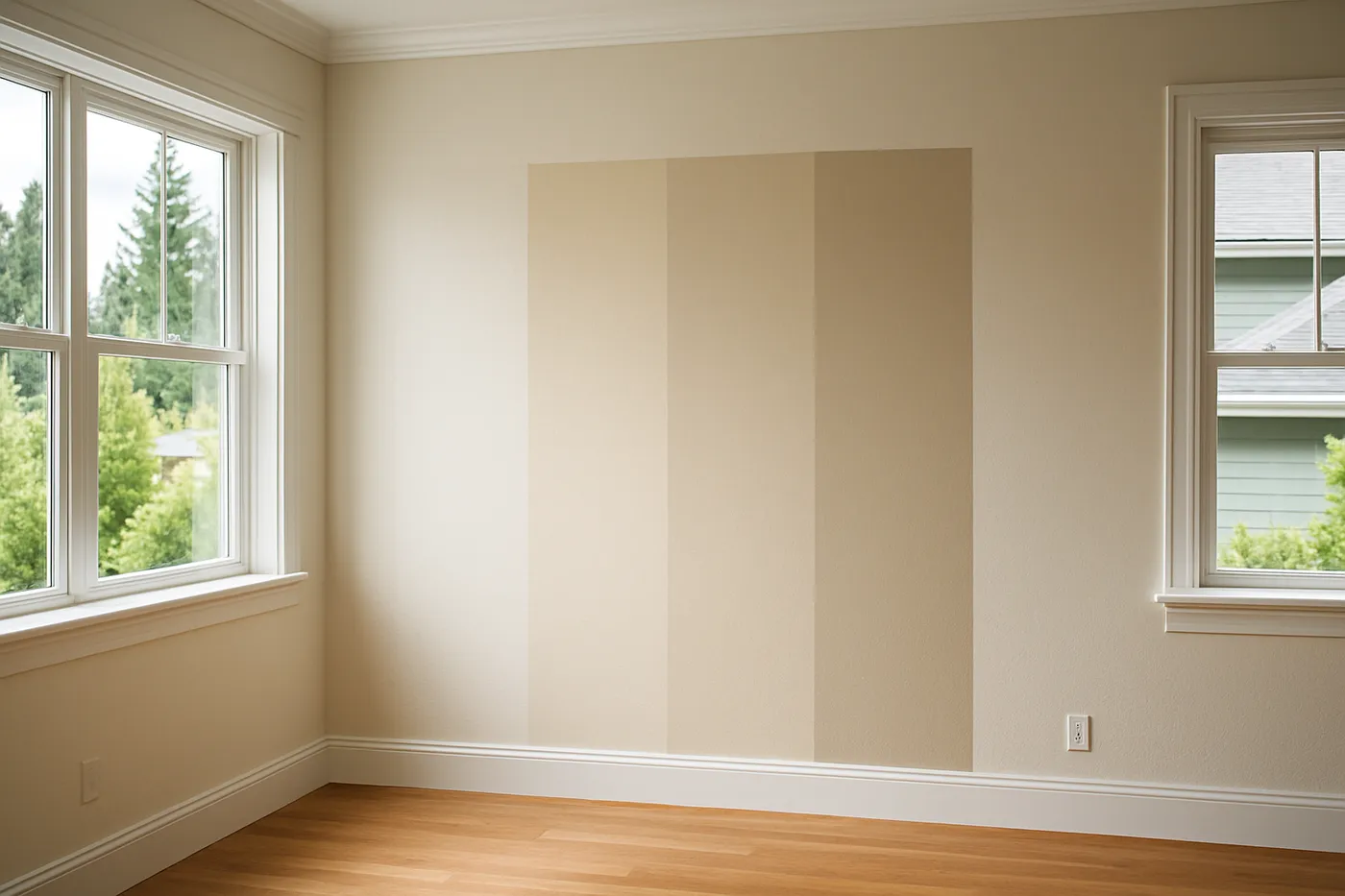
Test on the wall, not the chip. Paint large samples on more than one wall and look at them in the morning, afternoon, and evening.
-
Check light reflectance. A color’s light reflectance value (LRV) tells you how much light it bounces back. Higher-LRV colors help darker rooms feel brighter.
-
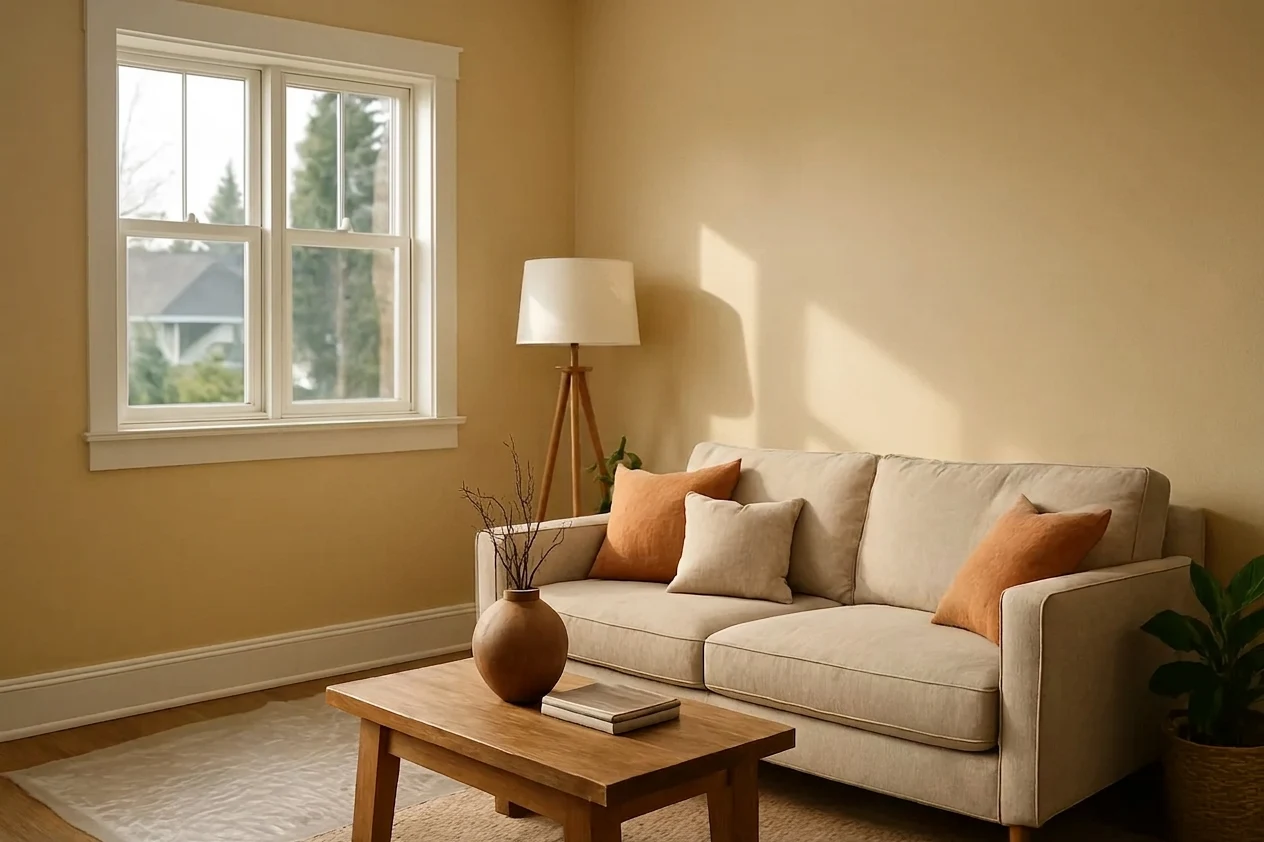
Watch the undertone. Cool undertones can feel colder under gray skies. Many Seattle homeowners lean toward neutrals with a little warmth.
-
Consider your trim and floors. Wood floors and original stained trim change how a wall color reads, especially in older homes.
Not sure where to start? Our color consultation add-on helps you choose with confidence before any paint is ordered.
Finishes for damp rooms and busy spaces
Seattle homes hold a lot of moisture in winter, especially in kitchens, bathrooms, and laundry rooms. The right finish makes walls easier to clean and more resistant to the conditions in each room:
| Room | Typical finish | Why |
|---|---|---|
| Ceilings and low-traffic walls | Flat / matte | Hides surface imperfections |
| Living rooms and bedrooms | Eggshell | Soft, low-sheen look that wipes clean |
| Hallways and kids’ rooms | Satin | More sheen and durability for scuffs |
| Kitchens, baths, and laundry | Satin or semi-gloss, moisture-resistant | Washable and better suited to humidity |
| Trim and doors | Semi-gloss | Tough, washable standard for high-touch surfaces |
Good ventilation matters as much as the finish. Run bath fans and kitchen hoods to keep moisture off fresh paint. For a deeper comparison, see flat, eggshell, or satin.
The best time for interior painting in Seattle
Interior painting is not weather-dependent the way exterior work is, so it can happen year-round. That makes fall and winter a natural time to tackle rooms you have been putting off, when outdoor projects are on hold anyway.
The tradeoff is humidity. Damp winter air can slow drying and recoat times, which is why a good crew plans ventilation and does not rush between coats. A finish that looks dry is not always ready for the next coat.
Living at home during an interior project
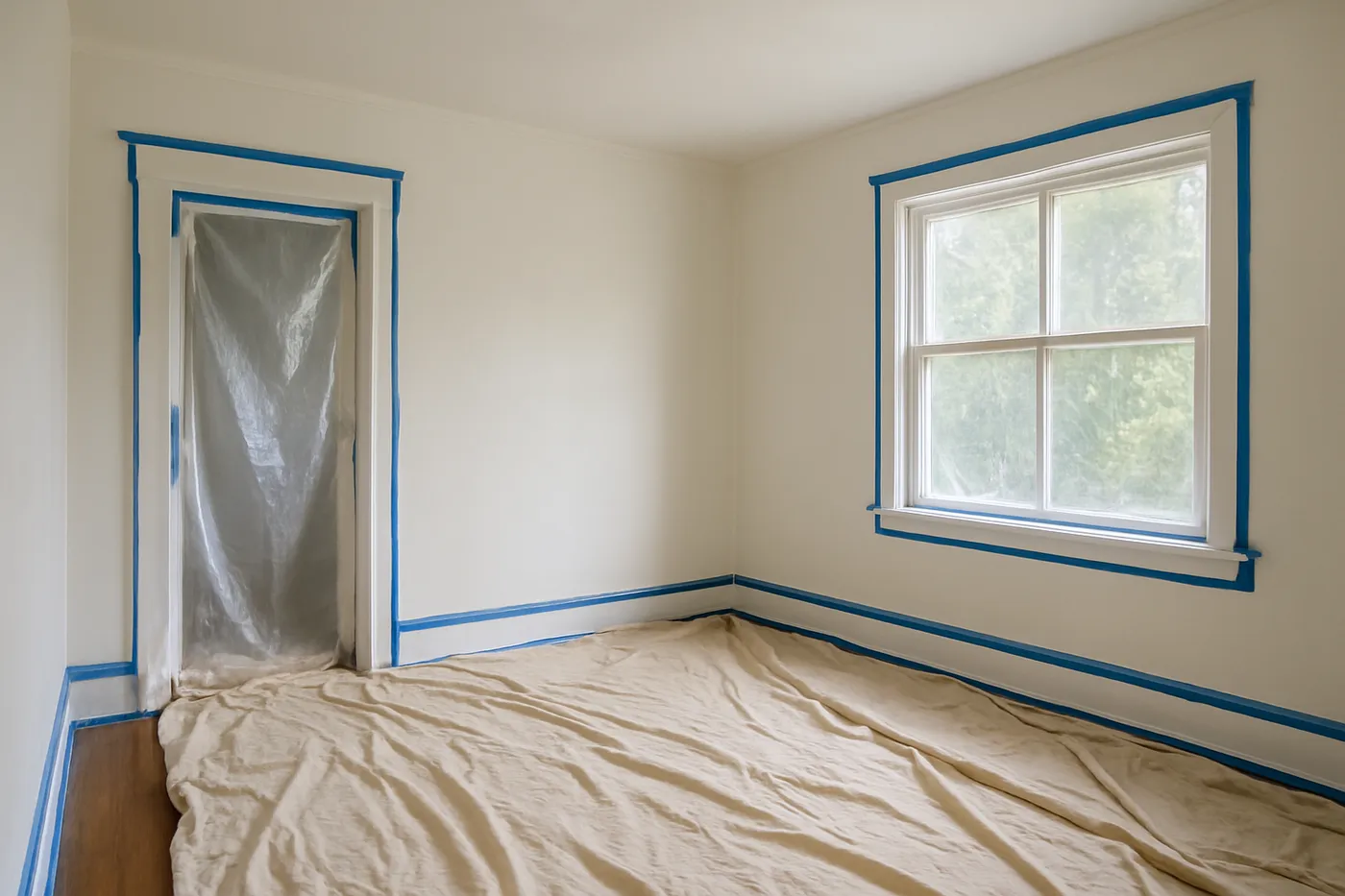
Most homeowners stay home during interior work. A professional crew protects floors and furniture, works room by room so you keep usable space, and cleans up at the end of each day. For the full step-by-step, see what to expect during an interior painting project.
How to choose an interior painter in Seattle
When you compare interior painters, look for these in writing:
-
License, bond, and insurance. Confirm an active Washington contractor registration.
-
Lead-safe certification if your home was built before 1978.
-
An itemized scope that lists rooms, surfaces, repairs, primer, and number of coats.
-
A protection plan for floors, furniture, and belongings.
-
A written warranty that says what is covered and for how long.
-
Recent reviews from homeowners with similar homes.
Why the low bid costs more
A quote comes in low because it leaves things out: plaster repair, sanding, primer on glossy trim, a second coat. Those steps do not disappear. They show up later as peeling, flashing, or change orders. For what drives a complete price, see interior painting cost in Seattle. The right way costs less than the low bid.
How Hedlund handles interior painting in Seattle
Our process is the same in a Ballard Craftsman as it is in a downtown condo:
-
On-site estimate. We walk your rooms, assess the surfaces, and send a written proposal.
-
Schedule walkthrough. We confirm colors, rooms, and anything that needs extra protection.
-
Protect floors and furniture. Everything is covered before work begins.
-
Prep. Filling, sanding, and priming, with lead-safe practices where they apply.
-
Paint, with daily cleanup. We work room by room and leave the space tidy each day.
-
Two-stage walkthrough. A touch-up pass and a final quality check with you before we call it done.
Every residential project is backed by our 10-year workmanship warranty. If something is not right with the work we did, we come back and make it right. We also handle cabinet painting and drywall repair, so a kitchen or whole-floor refresh can run as one project.
“We bought an old house between Christmas and New Years. It needed interior paint badly. The paint had been last painted probably in the 1980’s.”
David N., 5 stars (Google)
“We recently had the good fortune of hiring Chris and his company for a complete interior painting of a condo we purchased in Ballard.”
Martin C., 5 stars (Houzz)
Learn more on our interior painting service page. We paint interiors across Seattle, including Ballard, Green Lake, Capitol Hill, Wallingford, Ravenna, and Queen Anne.