
EPA Lead-Safe Certified Painting for Pre-1978 Homes
Pre-1978 homes legally require a Lead-Safe certified firm whenever work disturbs old paint. We are EPA Lead-Safe and RRP certified, and we do it right: tested, contained, and cleaned up to federal standard.
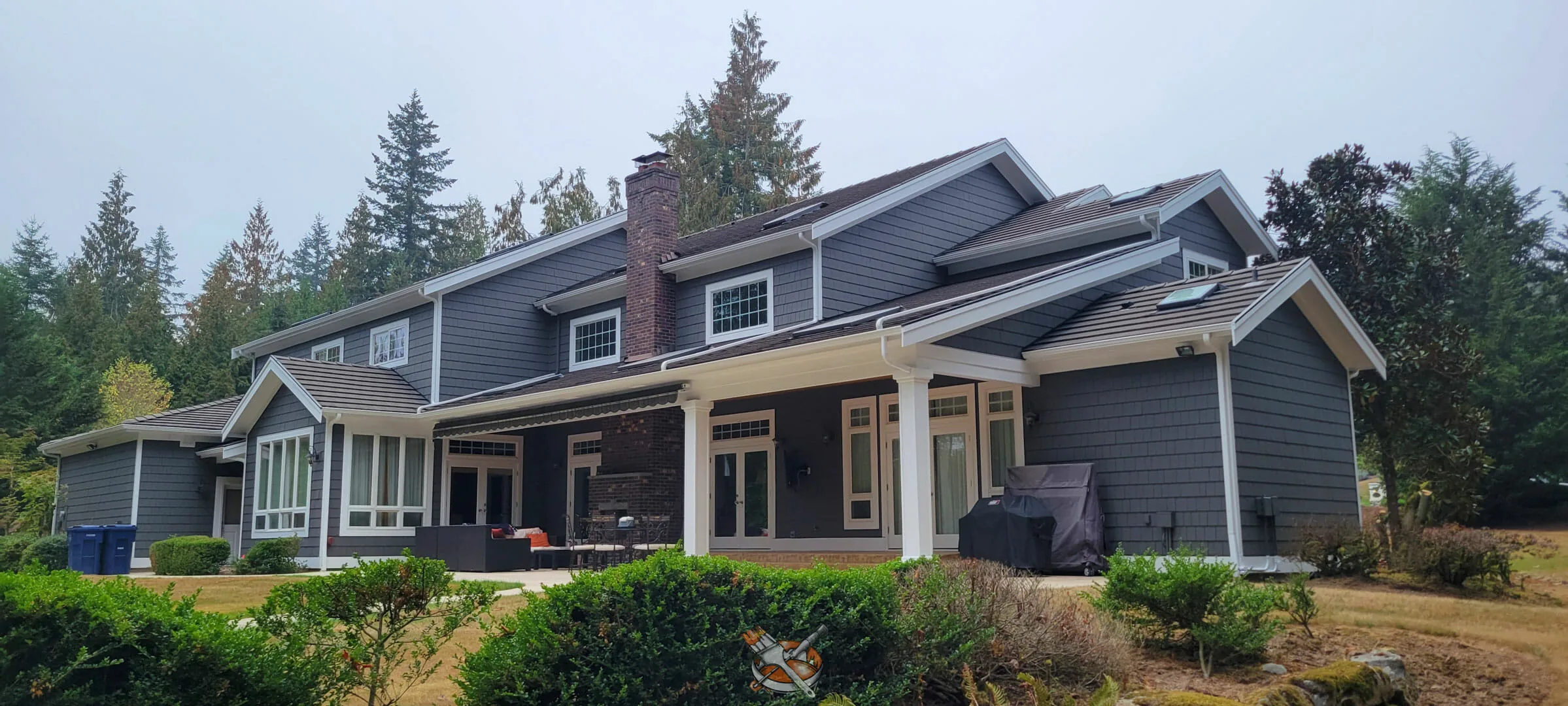
Hedlund Painting is EPA Lead-Safe and RRP certified to renovate, repair, and paint pre-1978 homes across the Greater Seattle area. Federal law requires a Lead-Safe certified firm whenever work disturbs lead paint in older homes. We test, contain the work area, control dust, and clean up to EPA standards, protecting your family and home. Free written estimates, licensed, bonded, and insured.
EPA Lead-Safe Certified. Not a claim, a federal credential.
This is the page the rest of our site points to, because it is the difference between a painter who says they are careful and a firm the federal government has actually certified. Hedlund Painting is an EPA Lead-Safe Certified firm and RRP certified (Renovation, Repair, and Painting). That means our company is registered with the EPA and our crews are trained in the lead-safe work practices the law requires on older homes. We carry the certification, we follow the practices, and we back the finished work with a 10-year workmanship warranty.
EPA Lead-Safe Certified
Safe, RRP-compliant practices for homes built before 1978, registered with the EPA.
10-Year Workmanship Warranty
We back the finished work with a 10-year workmanship warranty on every older-home project.
Our warranty →How to tell if your older home has lead paint.
If your home was built before 1978, assume it has lead-based paint until a test says otherwise. Lead paint was used in millions of American homes until the federal ban took effect that year, and it is often hiding under newer coats where you cannot see it. The risk is not the intact paint on the wall. The risk is the dust created when that paint is sanded, scraped, or disturbed during a repaint or repair.
Windows
Window sashes, sills, and jambs, high-friction surfaces that shed dust.
Doors & trim
Door frames, doors, and trim throughout an older home.
Exterior siding
Exterior siding, soffits, and fascia on pre-1978 homes.
Stairs & porches
Stair railings, banisters, and porches that see heavy use.
Baseboards & woodwork
Baseboards and original interior woodwork hold older coats of paint.
Confirmed by testing
A certified test confirms whether lead is present before any work disturbs the paint.
A certified test confirms whether lead is present. On pre-1978 homes, we assess lead risk as part of the estimate and follow certified testing and containment practices before any work disturbs the paint. You do not have to figure this out on your own. That is what the certification is for.
Federal law requires a Lead-Safe certified firm. Here is why it matters.
The EPA's Renovation, Repair, and Painting (RRP) rule is a federal regulation. It requires that any firm performing work that disturbs paint in pre-1978 housing, child-care facilities, and schools be EPA Lead-Safe certified and follow lead-safe work practices. This is not optional and it is not a formality.
Hire the credential, not the low bid.
A painter who is not certified, or who skips the containment steps to save time, is breaking federal law and putting lead dust into the home where your family lives. The fines are real. The health risk to children is worse.
We are certified, our crews are trained, and we follow the practices on every older-home project. That is the entire point of this page.
Can you paint over lead paint? Often yes, the right way.
You do not always have to remove lead paint. In many cases the safest and most practical approach is to encapsulate it, sealing sound, intact lead paint under new coatings so it is no longer exposed or shedding. Done with proper prep and containment, this is a recognized, accepted method.
When painting over is the right call
The existing lead paint is sound and well-adhered, not flaking or peeling. The surface can be cleaned and prepped without aggressive sanding, and a quality coating system can be applied and maintained over it.
What we never do
Dry-sand or open-scrape lead paint without certified containment, disturb lead paint and leave dust behind, or cut corners on prep or cleanup to hit a lower price.
If the paint is failing and removal is the right answer, we do that under certified controls too. The method follows the surface and the situation, not a shortcut.
How we contain lead dust, step by step.
Our full project process runs 14 steps from first contact to final walkthrough. On pre-1978 homes, the lead-safe controls below are built into that process, not added as an afterthought. Our superintendents (Alan Donnelly, Vincent Doolittle, and Micah Boots) and project managers (Greg Simonson, Rusty Jones, and Charlie Fischer) own the work on site.
Get a free estimate →Assess and test
On older homes we assess lead risk during the estimate and follow certified testing practices before disturbing any paint.
Isolate the work area
We contain the area so dust cannot travel into the rest of your home or your yard.
Control and capture dust
We use lead-safe work practices to keep dust generation down and capture what is created.
HEPA cleanup
We clean the work area to EPA standards using HEPA methods, not a broom and a shop vac.
Verify before we finish
We confirm the area is clean before the project closes, protecting your family, pets, and home.
Walk it with you
A superintendent walks the finished project with you for final quality control and approval, the same as every Hedlund job.
Older-home work where Lead-Safe certification matters.
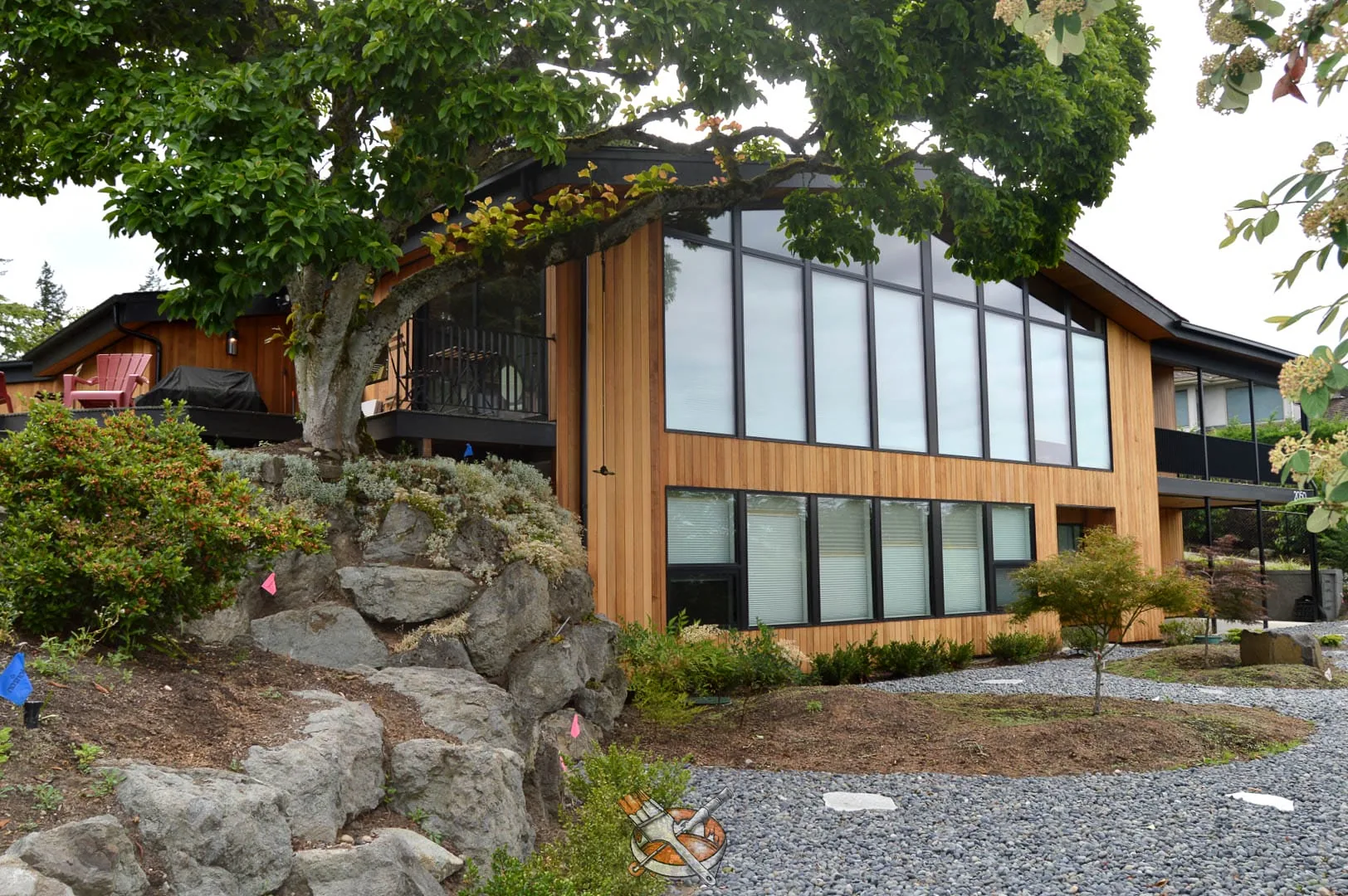
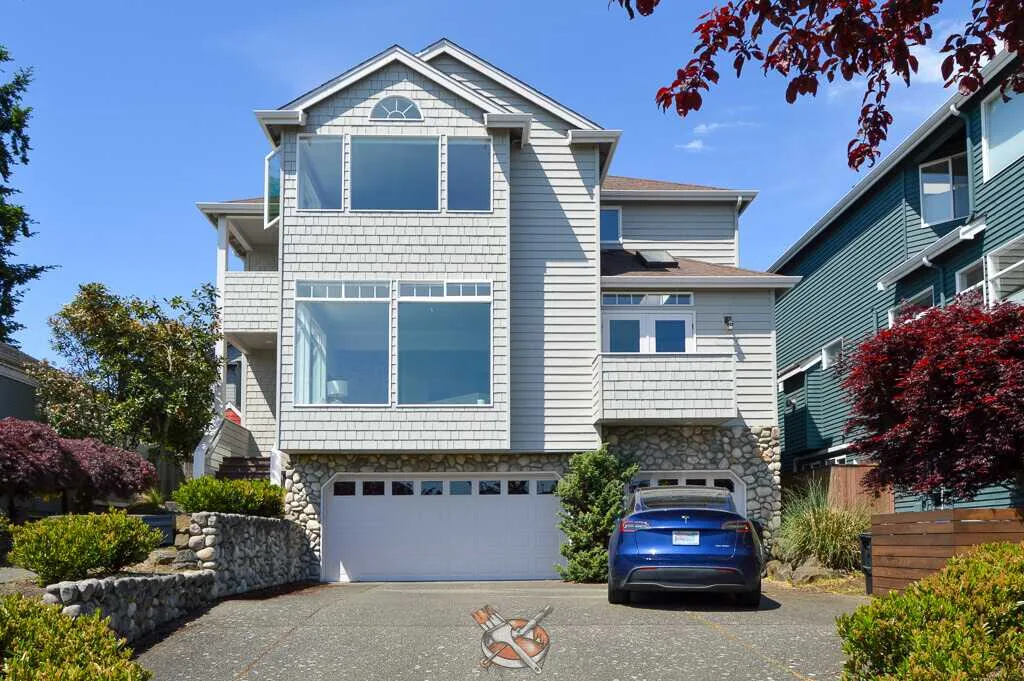
Lead-safe practices apply across our services any time we work on a pre-1978 home. If you own an older home in the Seattle area, this credential protects you on every one of these, including interior painting, exterior siding and trim, residential repaints, and carpentry and wood repair.
What older-home clients say.
Reasonable price Good experience with this painting company-easy to communicate with prior to the job. I wasn’t there when they painted but neighbors said they were quiet and efficient.
Hedlund Painting did a great job on my deck. Some boards were replaced and the entire deck was painted. In the process Rusty discovered that the lower deck needed some additional work not…
Great job pairing our house. The crew was very thorough and worked too help finish painting the back first when I needed the patio for a few hours.
Reasonable price Hedlund painting was great to work with! Greg, our estimator, was easy to communicate with, as well as Micah, the project manager.
We had an excellent experience with Hedlund Painting! Our house looks beautiful, the painter (Clement) was so thorough, professional and gracious and the communications from the team were…
Great price Great experience. Great final product! Communication through the whole process was on point! Thanks!
Great price We loved working with Hedlund painting. Every part of this project was easy for us, and that's what you want for a big project like ours.
Reasonable price Great communication! The team was very efficient and did the job with excellence. I'm so glad I went with Hedlund Painting for the exterior trim of my home.
This is our second time using Hedlund Painting and each time things have gotten better. I'm confused by who does what in the company, but the work is exceptionally good.
We recently had our house painted by Hedlund Painting and we couldn't be happier with our choice! They had been referred to us by a general contractor and once we met Zakary, we were…
Reasonable price I have worked with Hedlund on a couple of occasions now. The last only a month ago when they painted the exterior of our house - they are just absolutely the greatest!
Good afternoon. I tried to contact your office via telephone, but was only forwarded to voicemail multiple times.
Absolutely Outstanding Experience with Hedlund Painting! From start to finish, working with Hedlund Painting was an exceptional experience.
Replaced exterior siding with hardie board and painted. Had to coordinate with an electrician to detach the service mast.
Excellent painters. I had a 100+ year old craftsman painted this spring. The house had not been painted for 20 years and Hedlund painting did an amazing job repairing the siding, trim and…
Prompt, good price, and excellent workers. Have enjoyed our many experiences working with Hedlund.
Great Work Great service 5 star shop I would recommend Hedlund painting to all friends and family!!!! #LuxuryRealEstate.
Hedlund recently completed a wood rot repair project at a community of 28 condos. The communication with Rigo and Vince throughout the course of the project was impeccable!
We are so pleased with our front door refinishing project done by Hedlund Painting. The result is beautiful and it looks brand new!
One of the best experiences I’ve had dealing with the care and upkeep of my home. Would not hesitate to work with them again.
The team at Hedlund were great, they were kind & friendly, prompt, cleaned up after themselves, and did a great job painting our home!
We had a time-sensitive interior and exterior painting (and small carpentry) project, and Hedlund delivered! They were very respective of our timeline and responded to us promptly and…
They were so quick and so clean. It looks so amazing, I can’t recommend them enough. They were also friendly and a great price!
We had the pleasure of working with Hedlund Painting to remodel our kitchen, and I cannot speak highly enough about the exceptional service they provided.
Everyone I interacted with in Hedlund was super friendly. Loved how responsive they were through the entire process and the house turned out beautifully.
Hedlund painting is a wonderful company to work with. They were always on time, professional and clean. They went above and behind helping us with a concerned neighbor about overspray.
This is the third time I’ve used Hedlund painting and I couldn’t be more happy. Prices, service, detail is fantastic.
I am so pleased with my experience with Hedlund Painting. I contacted Zakary to repair trim / banister damage from an anxious puppy, as well as paint my kitchen cabinets and walls.
I have used Hedlund painting several times! Very prompt always on time and come back when needed if there are any change orders!!
Our condo community had the joy of working with Rigo to coordinate getting our buildings painted. The process from beginning to end was smooth.
If you want a quality paint job, you go to Hedlund! The project took a bit longer than expected (though what project doesn’t), but the results showed with the quality of the paint finish.
I can’t say enough wonderful things about them. They have now completed 3 projects, inside and out and I will be using them for years to come.
商家非常重视与客户的关系与沟通,能够积极处理协调过程中的各种情况,非常推荐!.
The paint on one side of our house was peeling in several places, perhaps from overly aggressive power washing.
Highly recommend! Well set up company and team, respectful and good workmanship!
We had a pipe burst and hired Hedlund to repair the damaged drywall and paint. The finished room was beautiful and back to its original shape.
We used Hedlund Painting last fall to repair wood damage on the fascia of our roof and to clean and repaint the soffits and fascia around around our home.
As first home buyers, we got very lucky to find this company. We had little knowledge about everything related to repairs, fixing, painting etc.
Hedlund was contracted to do a restoration on my home in 2022/2023. I primarily communicated with Rigo, as he was managing the project.
They did an excellent job painting our interior walls and cabinets after a kitchen fire. Very prompt and courteous, tidy and looks fantastic.
Our experience with Hedlund Painting was outstanding. Let's face it, you consider hiring a professional painting company because a) you can't do it yourself, b) you really don't WANT to do…
We were so happy to find Hedlund Painting after getting some astronomical quotes to paint the trim of our brick home (I know this is Seattle, but not all of us are Jeff Bezos).
I started working with Hedlund Painting a few months ago and they have been nothing less than fantastic to work with!
Hedlund Painting did some warranty repair work at my home. It included some drywall work and interior painting.
Started earlier than scheduled and finished before they were to start. Awesome people and an outstanding job painting.
We used Vince from Hedlund painting as the contractor for our kitchen and laundry room remodel. He was responsive, professional, easy to work with, had great subcontractors and the project…
Our experience with Hedlund Painting has been tremendous. Charlie, Vince, Armando, Ariel, and others were instrumental in prepping and executing our exterior painting project.
Erica, the on-site manager for this job was professional available and good communicator. Her staff was polite.
I have used Hedlund painting for 3 different projects now and couldn’t be happier! (Hence why I keep coming back to them when I have a painting project that requires great professionals!).
I had a great experience with Hedlund Painting. Everyone was very professional. The team was very quick to paint my exterior trim, AND the quality was high.
As a general contractor, I only hire Hedlund Painting! I also recommend them to anyone asking for paint or sheet-rock work.
Last summer Hedlund did a beautiful job with the custom exterior painting of my house. At the time, I was extremely happy with the responsiveness, quality and professionalism by everyone…
I want to give a thumbs up for Hedlund’s employee Javier. He was punctual, very professional and nice. He did a beautiful job with the repair and painting.👍👍.
The whole team was friendly and professional, from our first interaction during the estimate process, the communication leading up to the work being done, and finally to when the team was…
Our project manager did a great job of communicating with us along the way and making sure everything looked perfect.
We highly recommend Hedlundpainting. They repainted our house (outdoor) and made repairs to carpentry and patio floor that needed to be fixed before painting.
Hedlund painting did an awesome job on the interior of our home. It was a large job with cabinets, drywall patching and repair and nearly every room of our 3 BDR home having to be painted.
Hedlund Painting did a great job painting the exterior of our home and staining a large deck and stairs. The crew was thorough, tidy and very professional.
Very happy with the interior painting at our office. With the office open 2 of the 3 days the workers were professional arrived on time and kept to the schedule we had agreed on.
These guys are more than a painting company. We had water damage in our house, and they came in and restored our house!
Had a great experience using Hedlund Painting for my project. Needed the entire exterior of my building repainted a new set of colors, and have trim installed around my windows and building…
Hedlund Painting painted the exterior of our house. The job was easy to schedule, and their professionals arrived on time and worked efficiently to finish up with as little impact on us as…
Never sent a quote (for exterior and interior jobs). Waste of time. Hi Chris, It was Charlie who came last Friday at 9 am.
I never leave reviews but Xavier and Oscar did such a fabulous job that I have to say something. They were responsive, easy to work with and we are very happy with the result.
Hedlund put exceptional care into painting the exterior of my house. The crew made sure every detail was taken care of and not a single drop of paint is out of place.
We have worked with Hedlund on two separate occasions. Initially, to paint the exterior of our home and they did such a fantastic job that we hired them to paint the interior as well.
Gorgeous work! Very professional team and easy to work with. I will be using them for all my Interior Design projects.
Hedlund Painting is one of our subcontractors which means we have had the pleasure of using them multiple times.
They were on time and everybody were great to work with. Outcome was great!
Hi Chris, You and your crew did a fabulous job. Your crew was prompt and efficient. I would highly recommend your company to everyone I know.
Everyone at Hedlund Painting was absolutely wonderful every step of the way. We wanted to repaint several interior walls, and get a few areas of drywall patched up.
I recently had Hedlund Painting paint the exterior of my home and I was so happy with the results and experience with that project that a month later, I decided to hire them again to paint…
Hedlund Painting was a great team to work with. The assessor really helped walk through consideration of interest given the age of the house involved.
The whole team at Hedlund Painting did a fantastic job for us. Due to unforeseen circumstances they needed to push out a day, but that wasn’t going to work for our schedule.
Hedlund Painting did an excellent job on our 100 year old craftsman house in Green Lake. Their price was reasonable and included 8 hours of carpentry for needed repairs, which was plenty.
Chris and team did excellent work for a fair price, and went out of their way to schedule the work while we were away so we weren’t inconvenienced during the project.
I recently hired Hedlund Painting to paint the exterior of our house. Chris came out to bid the job and was very professional and friendly.
Hedlund painting is an A+ company with great management and painters. Highly recommend them for any paint projects.
Chris and his team were fantastic! During a remodel a few years back. He helped us pick colors and was flexible during our decision making.
Outstanding company....we just finished building our home and when Zakary’s crew showed up to paint our interior we were fresh off a very bad experience with our sheetrockers.
We bought an old house between Christmas and New Years. It needed interior paint badly. The paint had been last painted probably in the 1980's.
We hired Hedlund Painting to paint both the interior and exterior of our entire home in the summer of 2019. We were very impressed with the price, quality and communication of Hedlund.
As a general contractor, I have been struggling for a few years now to find a quality painting contractor. Then came across Hedlund Painting.
I’ve worked with Hedlund many times & have always had a positive experience. Flawless workmanship and great work ethics.
As a superintendent in residential construction, I’ve hired Hedlund Painting multiple times. Their team is very easy to work with.
Hedlund Painting painted our entire house, interior and exterior, after a complete remodel. Their level of professionalism was so appreciated.
Hedlund is always a pleasure to work with as they stay on schedule and do excellent work. Customer service is impeccable.
Team was prompt, worked hard and kept the job site clean. I was very impressed and will use them again. Ashley Pace.
Hedlund Painting is awesome! Their attention to detail is by far the best. All the folks who work there are great people, and really know what they are doing.
We used Hedlund painting to perform painting services at our office and were very happy with the professionalism of the team.
I used them on several large jobs and was thoroughly impressed with not only the quality but the great communication and care for the work they did.
I have hired Hedlund painting for two separate projects. On both accounts my expectations have been exceeded by this company and its employees.
I have worked with Hedlund on several projects over the past year and a half. They have done a great job working with our clients to achieve a finish that meets expectations.
Best painting team around!!! Outstanding across the board! Professional, thorough and thoughtful! May even help you with Quickbooks if you need it!
As an Interior Design Firm, we have worked with Hedlund Painting on several luxury remodel projects.... View full review.
Amazing exterior painting work on my single family home. The owner and his crew are friendly and respectful. I had a tight turnaround trying to squeeze in finishing the exterior painting…
From start to finish, our experience with Hedlund Painting was top notch. The price quote was competitive. The crew members were on time, courteous, and attentive to detail.
Hedlund Painting was pleasant to speak with. Christopher was knowledable and experienced. The crew was friendly and timely.
We used Hedlund painting for a complete interior paint job. I appreciated the knowledge and advice provided as well as the professionalism of the painters.
Hedlund just recently completed the repainting on the exterior of my house in Edmonds. Every step along the process went very smoothly and without a hiccup, which was great because I rent…
My wife and I had the great good fortune to have Hedlund Painting install a considerable amount of new drywall as well as paint about 50% of our home’s interior.
Had a great experience with Hedlund. Everyone was courteous and professional, the results were great, they didn’t leave any mess behind and it was fast.
Hedlund painting did an amazing job on the exterior of our home. They were upfront, honest and very professional to work with.
We have loved working with Hedlund Painting. They have done both exterior and interior work on our house. They are reliable, easy to work with do a great job.
Hedlund Painting absolutely deserves 5 stars. I was extremely impressed with This company. Chris and Charlie made the process smooth from beginning to end.
Chris and his team did an excellent job on our project. We have been remodeling our house in stages and we have worked with them multiple times.
The team at Hedlund did a great job with the interior of my office. Everyone I interacted with was very professional and a master of their craft.
We had such a great experience we hired Hedlund back for a second project. First they refinished the big wood panels on our modern home (tricky as semi-transparent - looks awesome), then we…
We have used Hedlund on many of our projects. The quality is unmatched. Can’t say enough good things about them.
I'm a general contractor and Hedlund is the best painting company that we've worked with. Not only is their work amazing but their communication, timeliness and professionalism is top notch.
Hedlund Painting has been a great company to work with. Their customer service is awesome and my house looks great!
We used Hedlund painting to sheet rock an addition at our shop that had to be pristine for aerospace specifications.
Hedlund painting was great! The trim in my house was being painted white and they did a wonderful job prepping the wood appropriately and it turned out really well.
I am most impressed and pleased with the exterior home painting job Hedlund Painting did for me. The quality, professionalism, and communication were outstanding.
Hedlund Painting did an outstanding job on our interior painting project, which involved tons of prep work and sixteen-foot ceilings.
We have been using Hedlund Painting on a regular basis for over a year now, and are so happy to continue to work with them.
We had Hedlund Painting do our entire exterior and interior paint jobs. They were quick, efficient, very professional and the end results were awesome.
Chris and his crew were very professional, thorough and attentive. They provided all the agreed upon services and were very quick to respond to changes and modifications mid project.
We bought a house that was entirely beige throughout, walls, trim, doors, cabinets, everything. Chris came and gave us a thorough estimate and great advice about choosing colors.
Excellent work. Finished on time, on budget, and the attention to detail and care around the job was exactly what we hoped for.
I have hired Hedlund Painting for 2 projects and I have been thrilled with the results. They did the painting and the drywall work as well, which saved me from hiring another subcontractor.
Chris and Hedlund Painting are top notch. We have partnered on several projects already. They bring high work quality standards.
I have hired Hedlund painting for multiple projects for my business as well as work on my own home. Chris is upfront and honest.
We recently had the good fortune of hiring Chris and his company for a complete interior painting of a condo we purchased in Ballard.
Professional, on time and on budget. Chris is the first person I call with my painting needs. His crew is very knowledgeable of their trade.
I have worked with Chris for about 3 years and he is always professional and responsive to all of our needs. Whether it's a small touch up job at an apartment unit or a large job painting…
I hired Hedlund Painting to paint the exterior of my home and could not have been more impressed with the result.
I can't say enough about Hedlund. They are awesome to work with. We had 15 doors and new trim spray painted, many walls textured and painted and it looks and feels great.
Hedlund painting was absolutely great to work with from beginning to end. Chris was very thorough with his estimate and gave great suggestions.
Highly recommend Chris and his crew. Second house he has painted for us. Respectful, courteous and job done right.
Reasonable price Good experience with this painting company-easy to communicate with prior to the job. I wasn’t there when they painted but neighbors said they were quiet and efficient.
Hedlund Painting did a great job on my deck. Some boards were replaced and the entire deck was painted. In the process Rusty discovered that the lower deck needed some additional work not…
Great job pairing our house. The crew was very thorough and worked too help finish painting the back first when I needed the patio for a few hours.
Reasonable price Hedlund painting was great to work with! Greg, our estimator, was easy to communicate with, as well as Micah, the project manager.
We had an excellent experience with Hedlund Painting! Our house looks beautiful, the painter (Clement) was so thorough, professional and gracious and the communications from the team were…
Great price Great experience. Great final product! Communication through the whole process was on point! Thanks!
Great price We loved working with Hedlund painting. Every part of this project was easy for us, and that's what you want for a big project like ours.
Reasonable price Great communication! The team was very efficient and did the job with excellence. I'm so glad I went with Hedlund Painting for the exterior trim of my home.
This is our second time using Hedlund Painting and each time things have gotten better. I'm confused by who does what in the company, but the work is exceptionally good.
We recently had our house painted by Hedlund Painting and we couldn't be happier with our choice! They had been referred to us by a general contractor and once we met Zakary, we were…
Reasonable price I have worked with Hedlund on a couple of occasions now. The last only a month ago when they painted the exterior of our house - they are just absolutely the greatest!
Good afternoon. I tried to contact your office via telephone, but was only forwarded to voicemail multiple times.
Absolutely Outstanding Experience with Hedlund Painting! From start to finish, working with Hedlund Painting was an exceptional experience.
Replaced exterior siding with hardie board and painted. Had to coordinate with an electrician to detach the service mast.
Excellent painters. I had a 100+ year old craftsman painted this spring. The house had not been painted for 20 years and Hedlund painting did an amazing job repairing the siding, trim and…
Prompt, good price, and excellent workers. Have enjoyed our many experiences working with Hedlund.
Great Work Great service 5 star shop I would recommend Hedlund painting to all friends and family!!!! #LuxuryRealEstate.
Hedlund recently completed a wood rot repair project at a community of 28 condos. The communication with Rigo and Vince throughout the course of the project was impeccable!
We are so pleased with our front door refinishing project done by Hedlund Painting. The result is beautiful and it looks brand new!
One of the best experiences I’ve had dealing with the care and upkeep of my home. Would not hesitate to work with them again.
The team at Hedlund were great, they were kind & friendly, prompt, cleaned up after themselves, and did a great job painting our home!
We had a time-sensitive interior and exterior painting (and small carpentry) project, and Hedlund delivered! They were very respective of our timeline and responded to us promptly and…
They were so quick and so clean. It looks so amazing, I can’t recommend them enough. They were also friendly and a great price!
We had the pleasure of working with Hedlund Painting to remodel our kitchen, and I cannot speak highly enough about the exceptional service they provided.
Everyone I interacted with in Hedlund was super friendly. Loved how responsive they were through the entire process and the house turned out beautifully.
Hedlund painting is a wonderful company to work with. They were always on time, professional and clean. They went above and behind helping us with a concerned neighbor about overspray.
This is the third time I’ve used Hedlund painting and I couldn’t be more happy. Prices, service, detail is fantastic.
I am so pleased with my experience with Hedlund Painting. I contacted Zakary to repair trim / banister damage from an anxious puppy, as well as paint my kitchen cabinets and walls.
I have used Hedlund painting several times! Very prompt always on time and come back when needed if there are any change orders!!
Our condo community had the joy of working with Rigo to coordinate getting our buildings painted. The process from beginning to end was smooth.
If you want a quality paint job, you go to Hedlund! The project took a bit longer than expected (though what project doesn’t), but the results showed with the quality of the paint finish.
I can’t say enough wonderful things about them. They have now completed 3 projects, inside and out and I will be using them for years to come.
商家非常重视与客户的关系与沟通,能够积极处理协调过程中的各种情况,非常推荐!.
The paint on one side of our house was peeling in several places, perhaps from overly aggressive power washing.
Highly recommend! Well set up company and team, respectful and good workmanship!
We had a pipe burst and hired Hedlund to repair the damaged drywall and paint. The finished room was beautiful and back to its original shape.
We used Hedlund Painting last fall to repair wood damage on the fascia of our roof and to clean and repaint the soffits and fascia around around our home.
As first home buyers, we got very lucky to find this company. We had little knowledge about everything related to repairs, fixing, painting etc.
Hedlund was contracted to do a restoration on my home in 2022/2023. I primarily communicated with Rigo, as he was managing the project.
They did an excellent job painting our interior walls and cabinets after a kitchen fire. Very prompt and courteous, tidy and looks fantastic.
Our experience with Hedlund Painting was outstanding. Let's face it, you consider hiring a professional painting company because a) you can't do it yourself, b) you really don't WANT to do…
We were so happy to find Hedlund Painting after getting some astronomical quotes to paint the trim of our brick home (I know this is Seattle, but not all of us are Jeff Bezos).
I started working with Hedlund Painting a few months ago and they have been nothing less than fantastic to work with!
Hedlund Painting did some warranty repair work at my home. It included some drywall work and interior painting.
Started earlier than scheduled and finished before they were to start. Awesome people and an outstanding job painting.
We used Vince from Hedlund painting as the contractor for our kitchen and laundry room remodel. He was responsive, professional, easy to work with, had great subcontractors and the project…
Our experience with Hedlund Painting has been tremendous. Charlie, Vince, Armando, Ariel, and others were instrumental in prepping and executing our exterior painting project.
Erica, the on-site manager for this job was professional available and good communicator. Her staff was polite.
I have used Hedlund painting for 3 different projects now and couldn’t be happier! (Hence why I keep coming back to them when I have a painting project that requires great professionals!).
I had a great experience with Hedlund Painting. Everyone was very professional. The team was very quick to paint my exterior trim, AND the quality was high.
As a general contractor, I only hire Hedlund Painting! I also recommend them to anyone asking for paint or sheet-rock work.
Last summer Hedlund did a beautiful job with the custom exterior painting of my house. At the time, I was extremely happy with the responsiveness, quality and professionalism by everyone…
I want to give a thumbs up for Hedlund’s employee Javier. He was punctual, very professional and nice. He did a beautiful job with the repair and painting.👍👍.
The whole team was friendly and professional, from our first interaction during the estimate process, the communication leading up to the work being done, and finally to when the team was…
Our project manager did a great job of communicating with us along the way and making sure everything looked perfect.
We highly recommend Hedlundpainting. They repainted our house (outdoor) and made repairs to carpentry and patio floor that needed to be fixed before painting.
Hedlund painting did an awesome job on the interior of our home. It was a large job with cabinets, drywall patching and repair and nearly every room of our 3 BDR home having to be painted.
Hedlund Painting did a great job painting the exterior of our home and staining a large deck and stairs. The crew was thorough, tidy and very professional.
Very happy with the interior painting at our office. With the office open 2 of the 3 days the workers were professional arrived on time and kept to the schedule we had agreed on.
These guys are more than a painting company. We had water damage in our house, and they came in and restored our house!
Had a great experience using Hedlund Painting for my project. Needed the entire exterior of my building repainted a new set of colors, and have trim installed around my windows and building…
Hedlund Painting painted the exterior of our house. The job was easy to schedule, and their professionals arrived on time and worked efficiently to finish up with as little impact on us as…
Never sent a quote (for exterior and interior jobs). Waste of time. Hi Chris, It was Charlie who came last Friday at 9 am.
I never leave reviews but Xavier and Oscar did such a fabulous job that I have to say something. They were responsive, easy to work with and we are very happy with the result.
Hedlund put exceptional care into painting the exterior of my house. The crew made sure every detail was taken care of and not a single drop of paint is out of place.
We have worked with Hedlund on two separate occasions. Initially, to paint the exterior of our home and they did such a fantastic job that we hired them to paint the interior as well.
Gorgeous work! Very professional team and easy to work with. I will be using them for all my Interior Design projects.
Hedlund Painting is one of our subcontractors which means we have had the pleasure of using them multiple times.
They were on time and everybody were great to work with. Outcome was great!
Hi Chris, You and your crew did a fabulous job. Your crew was prompt and efficient. I would highly recommend your company to everyone I know.
Everyone at Hedlund Painting was absolutely wonderful every step of the way. We wanted to repaint several interior walls, and get a few areas of drywall patched up.
I recently had Hedlund Painting paint the exterior of my home and I was so happy with the results and experience with that project that a month later, I decided to hire them again to paint…
Hedlund Painting was a great team to work with. The assessor really helped walk through consideration of interest given the age of the house involved.
The whole team at Hedlund Painting did a fantastic job for us. Due to unforeseen circumstances they needed to push out a day, but that wasn’t going to work for our schedule.
Hedlund Painting did an excellent job on our 100 year old craftsman house in Green Lake. Their price was reasonable and included 8 hours of carpentry for needed repairs, which was plenty.
Chris and team did excellent work for a fair price, and went out of their way to schedule the work while we were away so we weren’t inconvenienced during the project.
I recently hired Hedlund Painting to paint the exterior of our house. Chris came out to bid the job and was very professional and friendly.
Hedlund painting is an A+ company with great management and painters. Highly recommend them for any paint projects.
Chris and his team were fantastic! During a remodel a few years back. He helped us pick colors and was flexible during our decision making.
Outstanding company....we just finished building our home and when Zakary’s crew showed up to paint our interior we were fresh off a very bad experience with our sheetrockers.
We bought an old house between Christmas and New Years. It needed interior paint badly. The paint had been last painted probably in the 1980's.
We hired Hedlund Painting to paint both the interior and exterior of our entire home in the summer of 2019. We were very impressed with the price, quality and communication of Hedlund.
As a general contractor, I have been struggling for a few years now to find a quality painting contractor. Then came across Hedlund Painting.
I’ve worked with Hedlund many times & have always had a positive experience. Flawless workmanship and great work ethics.
As a superintendent in residential construction, I’ve hired Hedlund Painting multiple times. Their team is very easy to work with.
Hedlund Painting painted our entire house, interior and exterior, after a complete remodel. Their level of professionalism was so appreciated.
Hedlund is always a pleasure to work with as they stay on schedule and do excellent work. Customer service is impeccable.
Team was prompt, worked hard and kept the job site clean. I was very impressed and will use them again. Ashley Pace.
Hedlund Painting is awesome! Their attention to detail is by far the best. All the folks who work there are great people, and really know what they are doing.
We used Hedlund painting to perform painting services at our office and were very happy with the professionalism of the team.
I used them on several large jobs and was thoroughly impressed with not only the quality but the great communication and care for the work they did.
I have hired Hedlund painting for two separate projects. On both accounts my expectations have been exceeded by this company and its employees.
I have worked with Hedlund on several projects over the past year and a half. They have done a great job working with our clients to achieve a finish that meets expectations.
Best painting team around!!! Outstanding across the board! Professional, thorough and thoughtful! May even help you with Quickbooks if you need it!
As an Interior Design Firm, we have worked with Hedlund Painting on several luxury remodel projects.... View full review.
Amazing exterior painting work on my single family home. The owner and his crew are friendly and respectful. I had a tight turnaround trying to squeeze in finishing the exterior painting…
From start to finish, our experience with Hedlund Painting was top notch. The price quote was competitive. The crew members were on time, courteous, and attentive to detail.
Hedlund Painting was pleasant to speak with. Christopher was knowledable and experienced. The crew was friendly and timely.
We used Hedlund painting for a complete interior paint job. I appreciated the knowledge and advice provided as well as the professionalism of the painters.
Hedlund just recently completed the repainting on the exterior of my house in Edmonds. Every step along the process went very smoothly and without a hiccup, which was great because I rent…
My wife and I had the great good fortune to have Hedlund Painting install a considerable amount of new drywall as well as paint about 50% of our home’s interior.
Had a great experience with Hedlund. Everyone was courteous and professional, the results were great, they didn’t leave any mess behind and it was fast.
Hedlund painting did an amazing job on the exterior of our home. They were upfront, honest and very professional to work with.
We have loved working with Hedlund Painting. They have done both exterior and interior work on our house. They are reliable, easy to work with do a great job.
Hedlund Painting absolutely deserves 5 stars. I was extremely impressed with This company. Chris and Charlie made the process smooth from beginning to end.
Chris and his team did an excellent job on our project. We have been remodeling our house in stages and we have worked with them multiple times.
The team at Hedlund did a great job with the interior of my office. Everyone I interacted with was very professional and a master of their craft.
We had such a great experience we hired Hedlund back for a second project. First they refinished the big wood panels on our modern home (tricky as semi-transparent - looks awesome), then we…
We have used Hedlund on many of our projects. The quality is unmatched. Can’t say enough good things about them.
I'm a general contractor and Hedlund is the best painting company that we've worked with. Not only is their work amazing but their communication, timeliness and professionalism is top notch.
Hedlund Painting has been a great company to work with. Their customer service is awesome and my house looks great!
We used Hedlund painting to sheet rock an addition at our shop that had to be pristine for aerospace specifications.
Hedlund painting was great! The trim in my house was being painted white and they did a wonderful job prepping the wood appropriately and it turned out really well.
I am most impressed and pleased with the exterior home painting job Hedlund Painting did for me. The quality, professionalism, and communication were outstanding.
Hedlund Painting did an outstanding job on our interior painting project, which involved tons of prep work and sixteen-foot ceilings.
We have been using Hedlund Painting on a regular basis for over a year now, and are so happy to continue to work with them.
We had Hedlund Painting do our entire exterior and interior paint jobs. They were quick, efficient, very professional and the end results were awesome.
Chris and his crew were very professional, thorough and attentive. They provided all the agreed upon services and were very quick to respond to changes and modifications mid project.
We bought a house that was entirely beige throughout, walls, trim, doors, cabinets, everything. Chris came and gave us a thorough estimate and great advice about choosing colors.
Excellent work. Finished on time, on budget, and the attention to detail and care around the job was exactly what we hoped for.
I have hired Hedlund Painting for 2 projects and I have been thrilled with the results. They did the painting and the drywall work as well, which saved me from hiring another subcontractor.
Chris and Hedlund Painting are top notch. We have partnered on several projects already. They bring high work quality standards.
I have hired Hedlund painting for multiple projects for my business as well as work on my own home. Chris is upfront and honest.
We recently had the good fortune of hiring Chris and his company for a complete interior painting of a condo we purchased in Ballard.
Professional, on time and on budget. Chris is the first person I call with my painting needs. His crew is very knowledgeable of their trade.
I have worked with Chris for about 3 years and he is always professional and responsive to all of our needs. Whether it's a small touch up job at an apartment unit or a large job painting…
I hired Hedlund Painting to paint the exterior of my home and could not have been more impressed with the result.
I can't say enough about Hedlund. They are awesome to work with. We had 15 doors and new trim spray painted, many walls textured and painted and it looks and feels great.
Hedlund painting was absolutely great to work with from beginning to end. Chris was very thorough with his estimate and gave great suggestions.
Highly recommend Chris and his crew. Second house he has painted for us. Respectful, courteous and job done right.
Lead-safe certified work across the Seattle area.
We serve older-home neighborhoods across Seattle and the greater Eastside, including Seattle, Ballard, and Edmonds, where pre-1978 housing stock makes the Lead-Safe credential matter most.
Lead paint and certification questions.
Still have a question about your project? We are happy to help, just reach out.
Contact us →How do I know if my house has lead paint?
Do I legally need a Lead-Safe certified painter?
Is it safe to paint over lead paint?
What is the EPA RRP rule?
How do you contain lead dust?
What does EPA Lead-Safe Certified mean?
Can you test my home for lead paint?
Certified, and ready to do your older home right.
Get a free written estimate from an EPA Lead-Safe certified firm. No surprise change orders, no shortcuts, and a 10-year workmanship warranty behind the work. Licensed, bonded, and insured. EPA Lead-Safe and RRP certified.